

Breastfeeding & Breast Health: When Should a New Mother Consider a Breast Ultrasound?
Breastfeeding is a special phase of motherhood, but it also brings many physical changes. During lactation, the breasts naturally become fuller, denser, and more active as they produce milk. New mothers may occasionally notice tenderness, swelling, changes in breast texture, or even a lump.
Although many breast changes during breastfeeding are benign, a new or persistent breast symptom should not simply be ignored because you are breastfeeding.
A breast ultrasound during breastfeeding can be an important diagnostic tool when clinically recommended. It can help doctors evaluate a specific breast concern without using ionising radiation.
At VCare Imaging & Diagnostic Centre in Kandivali, Mumbai, breast imaging services help women receive appropriate diagnostic evaluation based on their symptoms and their doctor’s or radiologist’s recommendations.
Understanding what is normal during breastfeeding—and what deserves medical attention—can help new mothers make informed decisions about their breast health.
Why Do Breasts Change During Breastfeeding?

Pregnancy and breastfeeding cause significant hormonal and structural changes within breast tissue. Milk-producing glands become active, blood flow increases, and breasts may become larger and denser.
These changes can sometimes make physical examination and breast imaging more complex. However, breastfeeding itself is not a reason to postpone evaluation of a concerning breast symptom. Medical imaging can be performed during lactation when clinically indicated.
Some changes a breastfeeding mother may experience include:
- Breast fullness or heaviness
- Tenderness
- Engorgement
- Changes in breast texture
- Blocked or plugged ducts
- Localised swelling
- Breast or nipple discomfort
- A noticeable breast lump
Many of these changes can have benign explanations. However, the cause of a persistent or unusual symptom cannot always be determined from symptoms alone.
That is where appropriate clinical examination and, when recommended, breast imaging during breastfeeding can become important.
What Is a Breast Ultrasound?
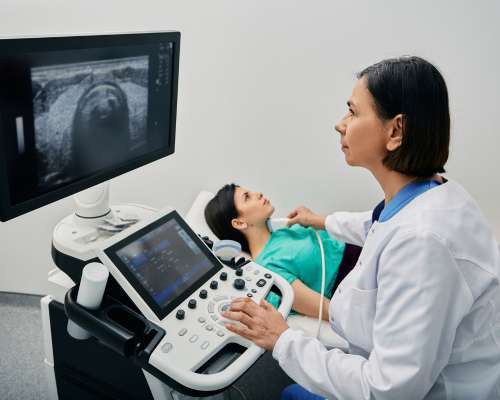
A breast ultrasound, also known as breast sonography, uses high-frequency sound waves to create images of structures inside the breast.
Unlike an X-ray, ultrasound does not use ionising radiation.
During the examination, ultrasound gel is placed on the skin and a handheld transducer is moved over the area being examined. Images are produced in real time and interpreted by the appropriate medical professional.
A breast ultrasound during breastfeeding may be used as part of the evaluation of a palpable lump, focal symptoms, or another breast concern, depending on the patient’s age, clinical findings and medical history. Current breast-imaging recommendations emphasize choosing imaging according to the specific clinical scenario rather than delaying investigation solely because a woman is lactating.
When Should a Breastfeeding Mother Consider a Breast Ultrasound?
Not every breastfeeding mother requires an ultrasound. Breast imaging is generally performed when there is a clinical reason or when recommended as part of an appropriate screening or diagnostic pathway.
Here are some situations where a doctor may recommend further assessment.
1. A New or Persistent Breast Lump
Finding a breast lump during breastfeeding can understandably cause anxiety.
Lactation can be associated with benign conditions that may present as a lump. However, it is important not to assume that every lump is simply caused by breastfeeding.
Current ACR guidance states that a new palpable abnormality during lactation should prompt appropriate imaging assessment.
If you discover a lump that persists, changes, increases in size, or otherwise concerns you, consult your doctor rather than trying to diagnose it yourself.
A breast ultrasound during breastfeeding may then form part of the diagnostic evaluation.
2. Persistent Localised Breast Pain
Breast discomfort can occur during breastfeeding for several reasons. Feeding position, engorgement and other lactation-related issues may contribute to discomfort.
However, persistent or focal breast pain deserves attention, particularly when accompanied by another symptom such as a lump, skin change, swelling or nipple discharge.
A doctor can assess the symptoms and determine whether breast imaging is appropriate.
3. Swelling That Does Not Resolve
Temporary fullness is common during breastfeeding.
Persistent swelling—especially when confined to one area—should be discussed with a healthcare professional.
Clinical evaluation helps determine whether the change appears related to breastfeeding or whether further assessment such as breast ultrasound is needed.
4. Persistent Signs of Infection or Inflammation
Mastitis can occur during breastfeeding and may cause symptoms such as breast pain, redness, warmth and swelling, sometimes accompanied by fever or feeling unwell.
Symptoms that do not improve as expected require medical review. Current ACR guidance specifically identifies unresolving infectious symptoms during lactation as a reason for imaging assessment.
Ultrasound may be used in certain clinical situations to help assess whether there is a collection or another finding requiring further management.
5. Unusual Nipple Discharge
Milk production is expected during breastfeeding, but a new or clinically suspicious nipple discharge should be evaluated rather than automatically attributed to lactation.
The appropriate assessment depends on the nature of the discharge and other symptoms.
ACR guidance includes clinically suspicious nipple discharge among the concerns that warrant imaging assessment during lactation.
6. Changes in the Skin or Nipple
New breast changes should be discussed with a healthcare professional, particularly if they persist.
These can include noticeable changes involving:
- Breast skin
- Nipple appearance
- Breast shape
- Localised redness
- Persistent thickening
- Unusual swelling
These signs do not automatically indicate breast cancer, and there are many possible causes. The important point is that persistent or unexplained changes deserve proper evaluation.
Is Breast Ultrasound Safe During Breastfeeding?
Breast ultrasound does not involve ionising radiation and is widely used as a breast-imaging modality.
The appropriate test, however, depends on factors including your symptoms, age, breast cancer risk and clinical examination.
Women should therefore avoid assuming that ultrasound is always the only test needed simply because they are breastfeeding.
Current evidence supports the use of ultrasound, mammography and, in selected circumstances, MRI for evaluating breast concerns in lactating patients.
Can You Have a Mammogram While Breastfeeding?
Yes. Mammography is not automatically contraindicated simply because you are breastfeeding.
Current guidance supports mammography during lactation when it is appropriate for the patient’s age, risk or clinical situation. For example, the latest ACR criteria list mammography and digital breast tomosynthesis as usually appropriate for average-risk breast cancer screening in lactating women aged 40 or older.
For diagnostic concerns, the imaging pathway may involve ultrasound, mammography, or both depending on age and the nature of the symptom.
Breastfeeding or pumping shortly before mammography may help reduce the amount of retained milk, which can improve comfort and reduce breast density during imaging.
Your doctor and radiologist can determine which examination is appropriate for your individual situation.
Breast Ultrasound vs Mammography During Breastfeeding

Breast ultrasound and mammography are not necessarily competing tests. They provide different types of information and can complement each other.
Breast ultrasound uses sound waves and is particularly useful for evaluating certain palpable or focal breast concerns.
Mammography uses low-dose X-rays and remains an important tool for breast cancer screening and diagnostic assessment.
Research evaluating symptomatic pregnant and lactating women has found that ultrasound, mammography and breast MRI can all contribute effectively to diagnostic breast imaging.
Therefore, the correct question isn’t always, “Should I have an ultrasound or mammogram?”
It is:
“Which breast imaging test is appropriate for my age, symptoms and risk?”
That decision should be made with your healthcare provider and radiologist.
Don’t Ignore a Breast Lump Just Because You’re Breastfeeding
One of the most important breast-health messages for new mothers is simple: do not assume that every breast lump is caused by milk production.
Most breast changes encountered during pregnancy and lactation are benign, but physiologic changes can also make breast assessment more challenging. Imaging evaluation should therefore not be unnecessarily postponed when a concerning symptom is present.
Seek medical evaluation if you notice a persistent new lump or another unexplained breast change.
Early assessment can help determine the cause and guide any necessary next steps.
Preparing for a Breast Ultrasound During Breastfeeding
A breast ultrasound usually requires minimal preparation.
Before the examination, provide the medical team with relevant information, including your symptoms, how long you have noticed them, whether you are currently breastfeeding, any previous breast imaging, relevant family or personal history, and any doctor’s referral or previous reports you have.
If possible, bring previous mammograms, ultrasound scans or reports for comparison.
Most importantly, clearly explain where you feel the lump, pain or other abnormality so the area can be appropriately assessed.
Breast Imaging at VCare Imaging & Diagnostic Centre in Kandivali
Access to appropriate diagnostic imaging is important when investigating breast concerns.
VCare Imaging & Diagnostic Centre in Kandivali, Mumbai provides diagnostic imaging services, including breast imaging, to support the evaluation of women’s breast-health concerns.
For a mother who has been advised to undergo a breast ultrasound during breastfeeding, the examination can help provide imaging information that the referring doctor and radiologist can use alongside clinical findings.
If you have noticed a breast lump, persistent focal pain, unusual swelling, suspicious discharge, or another unexplained change while breastfeeding, speak with your doctor about whether breast imaging is appropriate.
Breastfeeding Awareness Is Also About a Mother’s Health
Breastfeeding awareness naturally focuses on the health and nutrition of the baby—but the mother’s health deserves equal attention.
New mothers often devote most of their time and energy to caring for their newborn. As a result, they may postpone their own health concerns.
Breast awareness during lactation means becoming familiar with your breasts, noticing persistent or unusual changes and seeking appropriate medical advice when something doesn’t feel right.
A breast ultrasound during breastfeeding is one of several imaging tools doctors may use when a breast concern requires investigation.
Breastfeeding should not become a reason to ignore or delay evaluation of a concerning breast change.
Frequently Asked Questions About Breast Ultrasound During Breastfeeding
Is breast ultrasound safe while breastfeeding?
Breast ultrasound uses sound waves rather than ionising radiation and can be performed during lactation when clinically indicated.
Should I stop breastfeeding before a breast ultrasound?
Breast ultrasound itself generally does not require a mother to stop breastfeeding. Follow any specific instructions given by your healthcare provider or imaging centre.
I found a breast lump while breastfeeding. Should I get an ultrasound?
A new or persistent breast lump should be medically assessed. Depending on your age, symptoms and examination, your doctor or radiologist may recommend ultrasound and/or other breast imaging.
Can mastitis be seen on a breast ultrasound?
Ultrasound may be used in certain cases of suspected infection or inflammation, particularly when symptoms do not resolve as expected or a complication such as a collection is suspected. Your doctor will determine whether imaging is necessary.
Can I have a mammogram while breastfeeding?
Yes. Mammography can be performed during lactation when clinically appropriate, and breastfeeding alone is not a reason to delay necessary breast imaging.
Where can I get a breast ultrasound in Kandivali?
Patients who have been advised to undergo breast imaging can contact VCare Imaging & Diagnostic Centre in Kandivali, Mumbai to enquire about available breast imaging services and appointment requirements.
Final Thoughts
Breast changes are expected during breastfeeding, and many have harmless explanations. However, a new lump, persistent focal pain, unresolved swelling or infection, suspicious nipple discharge, or another unexplained change should not be ignored.
When clinically recommended, a breast ultrasound during breastfeeding can provide useful information as part of a broader breast-health assessment.
At VCare Imaging & Diagnostic Centre in Kandivali, diagnostic breast imaging can support doctors and patients in evaluating breast concerns and deciding appropriate next steps.
This Breastfeeding Awareness period, remember that caring for a baby also means caring for the mother’s health. If you notice a persistent or unusual breast change, seek medical advice rather than waiting for breastfeeding to end.
For breast imaging enquiries, contact VCare Imaging & Diagnostic Centre in Kandivali, Mumbai.
Medical disclaimer: This article is for general educational and awareness purposes only. It is not a substitute for medical diagnosis, treatment, or individual advice from a qualified healthcare professional.
