
Introduction
X-rays have revolutionised the way medical professionals diagnose, monitor, and manage a wide range of health conditions. Discovered by Wilhelm Conrad Roentgen in 1895, X-rays use electromagnetic radiation to create images of the inside of the body, offering a non-invasive, quick, and reliable diagnostic method. Today, they form the backbone of imaging services in most diagnostic centres in Kandivali and across the globe.
Whether it’s detecting bone fractures, spotting infections, evaluating lung conditions, or guiding surgical procedures, X-rays play a pivotal role in modern medicine. Depending on the diagnostic need, different types of X-rays are employed, each tailored to highlight specific tissues, organs, or abnormalities. From the standard chest X-ray to advanced techniques like fluoroscopy and computed tomography (CT), the applications are vast and continually evolving with technological advancements.
If you’re visiting an x-ray centre in Kandivali or a diagnosis lab in Kandivali, understanding the type of X-ray recommended can help ease anxiety and offer clarity on what your doctor is looking for. In this article, we’ll walk you through the major types of X-rays used in diagnosis and how each serves a unique purpose in identifying and treating medical conditions.
What is an X-Ray?
An X-ray is a form of electromagnetic radiation that can pass through most objects, including the human body. When X-rays are directed through your body, they are absorbed in different amounts depending on the density of the material they pass through. Dense materials like bones absorb more X-rays and appear white on the X-ray image, whereas softer tissues absorb less and appear in shades of grey or black.
X-rays allow doctors to view internal structures without making a single incision. That’s why they’re considered essential tools in nearly every diagnostic centre in Kandivali and play a major role in accurate diagnosis and timely treatment. Whether it’s a simple bone fracture or a deeper internal issue, X-rays offer a glimpse into areas the naked eye can’t see.
How do X-Rays work?
When you go in for an X-ray at a trusted x-ray centre in Kandivali, the machine emits a controlled amount of radiation that passes through the targeted area of your body. As the rays travel through, they are captured by a detector or film placed on the opposite side. Different tissues absorb radiation differently, bones block the rays more and appear white; air-filled spaces like the lungs appear black; muscles and fat show up in varying shades of grey.
This contrast creates a detailed image of your internal structure that doctors can use to identify abnormalities, injuries, or diseases. Today, most diagnosis labs in Kandivali use digital X-ray technology, which allows images to be stored, shared, and enhanced electronically for faster, more accurate diagnoses.
Types of X-Rays
Different medical conditions require different types of X-rays. Let’s explore the most commonly used ones you might come across at a diagnostic centre in Kandivali.
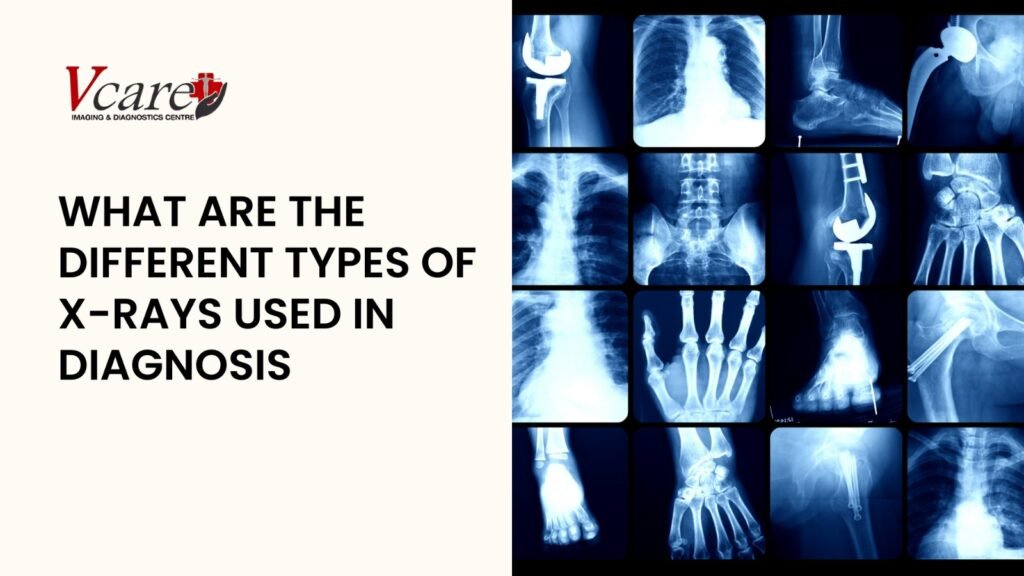
- Chest X-Ray: This is one of the most common types used to examine the lungs, heart, and chest wall. It’s helpful for detecting pneumonia, tuberculosis, lung cancer, and other pulmonary conditions.
- Bone X-Ray: A go-to choice for orthopaedic cases, bone X-rays reveal fractures, dislocations, and bone infections. They’re also used to assess bone density in conditions like osteoporosis.
- Abdominal X-Ray: This is used to investigate digestive issues, detect kidney stones, and identify obstructions in the gastrointestinal tract. A visit to a diagnostic lab in Kandivali often starts here when someone reports unexplained stomach pain.
- Dental X-Ray: These are used in dental clinics and also in comprehensive diagnostic centres in Kandivali to detect cavities, impacted teeth, jaw problems, and alignment issues.
- Mammogram (Breast X-Ray): Specialised X-rays used for early detection of breast cancer. Many women go for routine mammograms as a preventive health measure, especially those with a family history.
- Spine X-Ray: These are conducted to detect disc problems, scoliosis, or injuries affecting the vertebral column. It’s particularly useful for chronic back pain.
- Fluoroscopy and CT Scans: Though more advanced, both utilise X-ray technology. Fluoroscopy provides a real-time moving image, often used during surgical procedures, while CT scans create cross-sectional images that are more detailed than traditional X-rays.
The Role of X-Rays in Diagnosis
X-rays serve as the first line of imaging in countless medical scenarios. If you’re visiting a diagnosis lab in Kandivali, there’s a high chance that the first step your doctor might suggest is an X-ray to get a basic understanding of the condition. For injuries, infections, unexplained pain, or routine screenings, X-rays are universally relied upon.
They help doctors confirm clinical suspicions, assess the severity of a condition, plan treatment strategies, and even guide procedures like the insertion of catheters or pacemakers. X-rays offer clarity and accuracy, especially when time is of the essence.
When should you get an X-Ray?
While only a doctor can determine when you need an X-ray, some common indications include persistent pain, visible swelling, difficulty in movement, or injury due to an accident. Routine screenings such as mammograms or dental checks also involve X-rays even in the absence of symptoms.
You may be advised to undergo an X-ray if your healthcare provider suspects internal abnormalities that can’t be diagnosed externally. Regular scans are also common for those undergoing treatment for chronic illnesses, to monitor progress or catch any complications early.
Advantages of Using X-Rays
One of the main reasons X-rays are so widely used in every x-ray centre in Kandivali is because of their efficiency. They are quick, painless, and often provide immediate results. For patients, this means less waiting and quicker diagnosis.
They are non-invasive, making them safer and easier for people of all ages, including children and elderly patients. Compared to other imaging methods like MRI or CT, basic X-rays are more affordable and accessible, ensuring more people can benefit from early diagnosis and intervention.
Digital X-rays also reduce radiation exposure and provide enhanced image quality, helping doctors make better-informed decisions.
The Importance of X-Rays in Early Cancer Detection
X-rays are not just diagnostic, they’re life-saving. One of their most vital roles is in the early detection of cancer. Mammograms, for example, are responsible for saving countless lives by identifying breast cancer before symptoms appear. Chest X-rays can detect tumours, lung nodules, or pleural effusions early, allowing for quicker treatment.
At a well-equipped diagnostic centre in Kandivali, regular screening using X-ray technology is part of preventive healthcare, especially for individuals at high risk. Early detection is often the difference between a simple treatment and a prolonged battle. X-rays help bridge that gap with speed and precision.
How to prepare for an X-Ray?
Preparation for an X-ray is usually minimal, but it does depend on the type of test. At most x-ray centres, you’ll be asked to remove any metal objects like jewellery or belts. In some cases, you may need to change into a hospital gown.
If the X-ray involves the stomach or intestines, you might be asked to fast for a few hours prior. For women, it’s essential to inform the technician if there’s any chance of pregnancy. The actual procedure takes only a few minutes and is completely painless. The technicians at a good diagnostic lab will guide you through every step, ensuring comfort and clarity.
Conclusion
In the ever-evolving world of healthcare, X-rays remain a cornerstone in accurate medical diagnosis. From identifying fractures and infections to detecting early signs of cancer, X-rays continue to play a crucial role in ensuring timely and informed treatment decisions. With their ability to reveal what the eyes can’t see, they offer clarity, confidence, and often, peace of mind for both patients and healthcare providers.
Understanding the different types of X-rays, their purposes, and how they work helps demystify the process and empowers you as a patient. Whether it’s a chest X-ray to check on your lungs, a dental OPG for your wisdom tooth, or an abdominal scan to detect a blockage, these imaging tools are more than just pictures; they are insights into your health story.
At Vcare Imaging & Diagnostic, we combine the power of advanced Digital X-ray in Kandivali with the warmth of compassionate healthcare. As the most trusted x-ray centre in Kandivali, we prioritise speed, accuracy, hygiene, and patient comfort, delivering high-resolution imaging with minimal radiation exposure. With expert radiologists, fast report delivery, and a walk-in-friendly environment, we ensure your diagnostic journey is smooth and stress-free. So, whether you’re visiting for a chest scan, OPG, or a full-body assessment, trust the diagnostic centre in Kandivali that puts your well-being first. Choose Vcare because your diagnosis deserves care that’s precise, professional, and personal.