
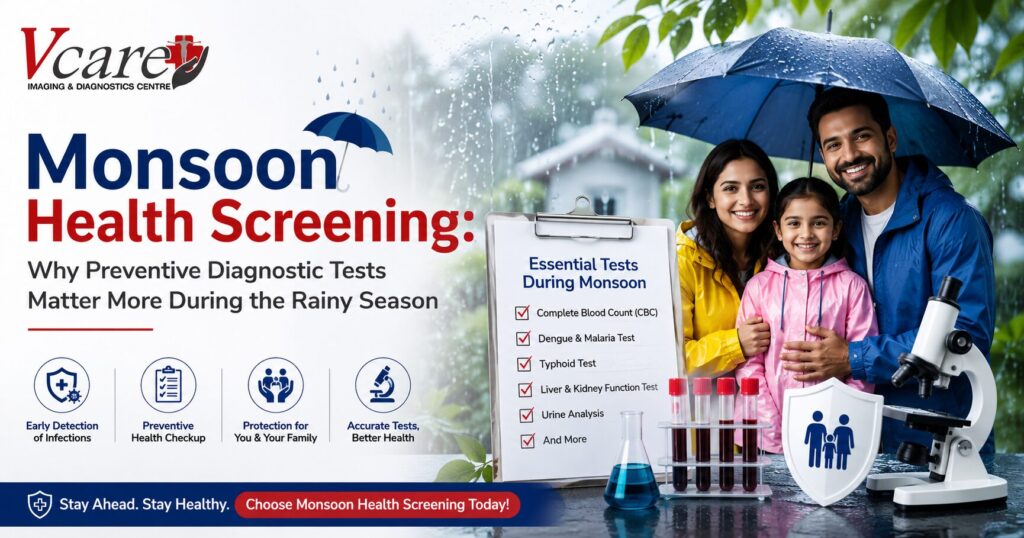
Monsoon Health Screening: Why Preventive Diagnostic Tests Matter More During the Rainy Season
The arrival of the monsoon season brings welcome relief from the summer heat, lush greenery, and refreshing rainfall. However, along with the pleasant weather comes an increased risk of infections, waterborne diseases, and seasonal health complications. From viral fevers and respiratory infections to dengue and malaria, monsoon-related illnesses can affect people of all ages.
This is where Monsoon Health Screening becomes essential. A proactive approach to health through timely diagnostic tests can help identify potential health concerns before they become serious. Instead of waiting for symptoms to worsen, preventive health screenings allow individuals to stay informed about their health and take necessary precautions during the rainy season.
In this blog, we’ll explore why a Monsoon Health Screening is important, the key diagnostic tests to consider, and how preventive healthcare can help you enjoy a healthier monsoon.
Why Is Health Risk Higher During the Monsoon?
The rainy season creates favorable conditions for the growth of bacteria, viruses, and mosquitoes. Stagnant water becomes a breeding ground for disease-carrying insects, while increased humidity can contribute to respiratory and fungal infections.
Common health concerns during monsoon include:
- Dengue fever
- Malaria
- Typhoid
- Viral fever
- Respiratory infections
- Gastrointestinal infections
- Seasonal allergies
- Skin infections
Many of these conditions initially present with mild symptoms that can easily be overlooked. Early diagnosis through a Monsoon Health Screening can help detect underlying infections and prevent complications.
What Is a Monsoon Health Screening?
A Monsoon Health Screening is a preventive health assessment designed to evaluate your overall health and identify any early signs of infection or illness commonly associated with the rainy season.
These screenings typically include blood tests, urine tests, and other diagnostic evaluations that provide valuable insights into your health status. The goal is to detect abnormalities before they lead to severe health issues.
Preventive healthcare is not only about treating illnesses but also about preventing them. By undergoing a Preventive Health Checkup during monsoon, individuals can make informed decisions regarding their health and lifestyle.
Benefits of Monsoon Health Screening
1. Early Detection of Seasonal Diseases
Many monsoon-related diseases begin with common symptoms such as fever, fatigue, headache, and body pain. Diagnostic tests help determine the exact cause and ensure timely treatment.
Early detection can significantly reduce the risk of complications associated with diseases like dengue, malaria, and typhoid.
2. Monitoring Overall Health
A Health Checkup in Monsoon does more than detect infections. It provides a comprehensive overview of important health parameters, including blood sugar levels, liver function, kidney function, and immune response.
Regular monitoring helps individuals maintain optimal health throughout the season.
3. Preventing Serious Health Complications
Ignoring early symptoms can lead to delayed diagnosis and prolonged recovery. Preventive screenings identify potential concerns before they become severe, allowing for prompt medical intervention.
4. Peace of Mind
Knowing that your health parameters are within a healthy range offers reassurance and confidence during a season known for increased health risks.\
Essential Diagnostic Tests During Monsoon
A comprehensive Monsoon Health Screening may include several important tests depending on individual health needs and risk factors.
Complete Blood Count (CBC)
A CBC test helps evaluate overall health and can detect infections, anemia, and abnormalities in blood cells. It is often one of the first tests recommended when experiencing fever or fatigue.
Dengue Profile Test
Dengue cases tend to rise during monsoon due to mosquito breeding. A dengue profile test helps identify the infection early and monitor platelet levels.
Malaria Test
Malaria remains a common concern during the rainy season. Early detection through diagnostic testing enables timely treatment and prevents complications.
Typhoid Test
Contaminated food and water can increase the risk of typhoid during monsoon. Testing helps confirm infection and guide appropriate medical care.
Liver Function Test (LFT)
Certain infections can affect liver health. Liver function tests assess how well the liver is working and help identify any abnormalities.
Kidney Function Test (KFT)
Kidney function tests evaluate the health of the kidneys and ensure they are functioning properly.
Urine Analysis
Urine testing can detect infections, dehydration, and other health conditions that may require medical attention.
Chest X-Ray (If Recommended)
For individuals experiencing persistent cough, breathing difficulties, or respiratory symptoms, a chest X-ray may help identify underlying lung conditions.
Who Should Consider a Monsoon Health Screening?
While everyone can benefit from preventive healthcare, certain groups should prioritize Diagnostic Tests During Monsoon:
Children
Children are more vulnerable to infections due to their developing immune systems.
Senior Citizens
Older adults often have weaker immunity and may be at higher risk of seasonal illnesses.
Individuals with Chronic Conditions
People with diabetes, hypertension, asthma, or heart disease should consider regular health monitoring during monsoon.
Working Professionals
Busy schedules often lead to delayed medical attention. Preventive screenings help identify concerns before they affect productivity and well-being.
Tips to Stay Healthy During Monsoon
Along with regular Monsoon Health Screening, adopting healthy habits can help reduce the risk of illness.
Maintain Proper Hygiene
Wash your hands frequently and avoid consuming unhygienic food.
Drink Safe Water
Always drink filtered or boiled water to reduce the risk of waterborne diseases.
Eat Fresh and Nutritious Food
A balanced diet rich in fruits, vegetables, and essential nutrients supports a strong immune system.
Prevent Mosquito Breeding
Remove stagnant water around your home and use mosquito repellents when necessary.
Stay Physically Active
Regular exercise helps strengthen immunity and improve overall health.
Seek Medical Advice Early
Do not ignore symptoms such as persistent fever, fatigue, or unusual discomfort. Early consultation and diagnostic testing can make a significant difference.
Why Choose a Trusted Diagnostic Center for Monsoon Health Screening?
The accuracy of diagnostic results plays a crucial role in healthcare decisions. Choosing a reliable diagnostic center ensures access to advanced technology, experienced healthcare professionals, and precise reporting.
A trusted diagnostic center provides comprehensive screening services, enabling individuals and families to take proactive steps toward better health during the monsoon season.
Whether you are experiencing symptoms or simply want to stay ahead of potential health risks, investing in a Monsoon Health Screening is a smart and responsible choice.
Conclusion
The monsoon season brings unique health challenges that should not be ignored. While enjoying the beauty of the rains, it is equally important to prioritize your well-being through preventive healthcare.
A timely Monsoon Health Screening helps detect infections early, monitor vital health parameters, and support effective Monsoon Disease Prevention. From blood tests and urine analysis to specialized screenings, preventive diagnostic tests provide valuable insights that can protect you and your family throughout the rainy season.
Don’t wait for symptoms to appear. Schedule your Preventive Health Checkup today and take a proactive step toward a healthier, safer, and worry-free monsoon.
