
Diagnostic & Imaging Centre

Best Imaging and Diagnostic Center in Kandivali Mumbai

What is the difference between a pathology lab and a diagnostic centre?

In today’s fast-paced healthcare environment, early and accurate diagnosis plays a pivotal role in ensuring effective treatment. However, with an ever-expanding landscape of medical facilities, it’s not uncommon for patients to feel confused by the terminology. One such point of confusion arises when distinguishing between a pathology lab and a diagnostic centre. Though both contribute significantly to the diagnostic process, they serve distinct roles within the healthcare system. For those looking for a reliable pathology lab in Kandivali or a comprehensive diagnostic centre in the same locality, understanding these differences can help you make informed choices based on your specific health needs. Let’s explore the unique roles, capabilities, and purposes of pathology labs and diagnostic centres in detail. Understanding a Pathology Lab A pathology lab, also known as a clinical or medical laboratory, plays a critical role in diagnosing various conditions by examining biological samples. These samples can range from blood and urine to tissue and stool. What sets pathology labs apart is their reliance on scientific methodologies and highly trained professionals who analyse these specimens to detect diseases at the microscopic or even molecular level. A pathology lab primarily focuses on diagnosing diseases through the study of samples such as blood, urine, tissues, or other bodily fluids. These labs operate at a cellular and molecular level, enabling clinicians to gain insights into what’s happening within the body, even before symptoms appear. For instance, when a doctor requests a blood test, a urine test, or a biopsy analysis, it is the pathology lab that performs and interprets these tests. There are several subdivisions within a pathology lab: Clinical Pathology involves testing body fluids to detect infections, diabetes, liver disorders, and more. This includes routine blood tests like CBC (Complete Blood Count), lipid profiles, and liver function tests. Common Tests Conducted in Pathology Labs Tests conducted in a pathology lab are both routine and highly specialised. These include: Each of these tests is performed with strict protocols to ensure accuracy. At a trusted pathology lab in Kandivali, patients can expect precision, confidentiality, and quick turnaround times. When and why are pathology tests prescribed? Doctors usually prescribe pathology tests when they need to: Common scenarios include checking for infections, tracking chronic illnesses like diabetes or thyroid disorders, or screening for deficiencies like anaemia or vitamin D. What happens during a pathology test? When you visit a pathology lab, a trained technician or phlebotomist collects the necessary samples, which might include blood, urine, or swabs. These are carefully labelled and sent for analysis. Depending on the test, it might be processed by machines or manually examined under a microscope. Results are usually delivered within a few hours to a couple of days. A reputable pathology lab ensures hygiene, safety, and timely reporting. What is a diagnostic centre? A diagnostic centre offers a broader range of services than a pathology lab. While it includes pathology services, it also provides imaging tests such as X-rays, MRIs, CT scans, and ultrasounds. In essence, a diagnostic centre is a one-stop solution for multiple diagnostic needs. For individuals in need of a full-body health screening or imaging tests, a diagnostic centre in Kandivali is an ideal choice. Key tests conducted in diagnostic centres Diagnostic centres offer a wide array of tests, including: Blood and urine tests (from the pathology lab wing) These centres are equipped with advanced machinery and skilled radiologists and technicians to ensure precise results. Many diagnostic centres also offer health packages tailored to different age groups and medical conditions. Purpose of a Diagnostic Centre Diagnostic centres aim to offer a holistic view of a patient’s health. By combining pathology and imaging, they make it easier for doctors to detect diseases early, plan treatments more effectively, and monitor recovery over time. From walk-in patients to referrals, these centres accommodate a wide range of healthcare needs under one roof. What to expect during a visit to a diagnostic centre? At a well-established diagnostic centre, the patient journey is designed to be smooth and hassle-free. Upon arrival, patients are registered and guided through their tests. Imaging tests may require specific preparations, such as fasting or drinking fluids. Staff members explain each step clearly. After tests, results are processed and usually delivered electronically or as physical reports. Some centres even offer consultations with in-house doctors based on the test outcomes. Which one should you choose? Your choice should depend on the tests recommended by your doctor. If you only need a blood or urine test, a specialised pathology lab in Kandivali is sufficient. However, if your health check-up involves multiple screenings, such as scans and pathology tests, a diagnostic centre is a better option. Conclusion Understanding the difference between a pathology lab and a diagnostic centre empowers you to make informed healthcare decisions. Whether you need routine blood tests or more complex imaging, both facilities play essential roles in identifying and managing health issues. At VCare Imaging & Diagnostic Centre in Kandivali, patients benefit from the convenience of having both services under one roof. From MRI and CT scans to comprehensive blood work, VCare offers precise, timely, and trustworthy diagnostics to ensure your health remains a top priority. Your Trusted Diagnostic Centre in Kandivali Discover top-quality healthcare services at VCare Imaging & Diagnostic Centre. We offer a wide range of services, including Sonography, Mammography, MRI, CT Scan, and advanced Blood Tests. Whether you need a specialised pathology lab in Kandivali or a full-service diagnostic centre, VCare is your destination for reliable and compassionate healthcare.

What is the difference between a pathology lab and a diagnostic centre? Read More »

Best Imaging and Diagnostic Center in Kandivali Mumbai

What are the different types of X-rays used in diagnosis?

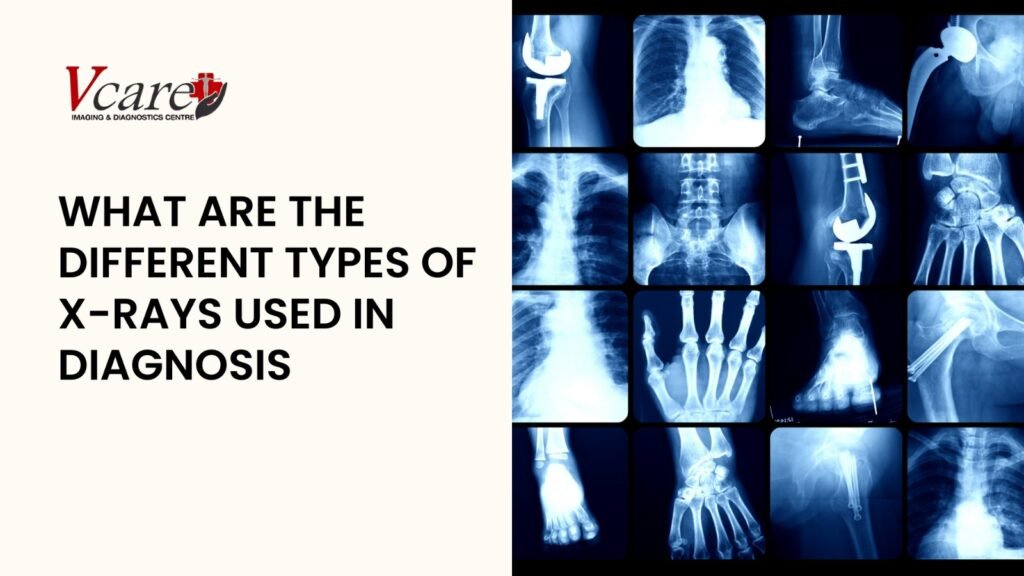
Introduction X-rays have revolutionised the way medical professionals diagnose, monitor, and manage a wide range of health conditions. Discovered by Wilhelm Conrad Roentgen in 1895, X-rays use electromagnetic radiation to create images of the inside of the body, offering a non-invasive, quick, and reliable diagnostic method. Today, they form the backbone of imaging services in most diagnostic centres in Kandivali and across the globe. Whether it’s detecting bone fractures, spotting infections, evaluating lung conditions, or guiding surgical procedures, X-rays play a pivotal role in modern medicine. Depending on the diagnostic need, different types of X-rays are employed, each tailored to highlight specific tissues, organs, or abnormalities. From the standard chest X-ray to advanced techniques like fluoroscopy and computed tomography (CT), the applications are vast and continually evolving with technological advancements. If you’re visiting an x-ray centre in Kandivali or a diagnosis lab in Kandivali, understanding the type of X-ray recommended can help ease anxiety and offer clarity on what your doctor is looking for. In this article, we’ll walk you through the major types of X-rays used in diagnosis and how each serves a unique purpose in identifying and treating medical conditions. What is an X-Ray? An X-ray is a form of electromagnetic radiation that can pass through most objects, including the human body. When X-rays are directed through your body, they are absorbed in different amounts depending on the density of the material they pass through. Dense materials like bones absorb more X-rays and appear white on the X-ray image, whereas softer tissues absorb less and appear in shades of grey or black. X-rays allow doctors to view internal structures without making a single incision. That’s why they’re considered essential tools in nearly every diagnostic centre in Kandivali and play a major role in accurate diagnosis and timely treatment. Whether it’s a simple bone fracture or a deeper internal issue, X-rays offer a glimpse into areas the naked eye can’t see. How do X-Rays work? When you go in for an X-ray at a trusted x-ray centre in Kandivali, the machine emits a controlled amount of radiation that passes through the targeted area of your body. As the rays travel through, they are captured by a detector or film placed on the opposite side. Different tissues absorb radiation differently, bones block the rays more and appear white; air-filled spaces like the lungs appear black; muscles and fat show up in varying shades of grey. This contrast creates a detailed image of your internal structure that doctors can use to identify abnormalities, injuries, or diseases. Today, most diagnosis labs in Kandivali use digital X-ray technology, which allows images to be stored, shared, and enhanced electronically for faster, more accurate diagnoses. Types of X-Rays Different medical conditions require different types of X-rays. Let’s explore the most commonly used ones you might come across at a diagnostic centre in Kandivali. The Role of X-Rays in Diagnosis X-rays serve as the first line of imaging in countless medical scenarios. If you’re visiting a diagnosis lab in Kandivali, there’s a high chance that the first step your doctor might suggest is an X-ray to get a basic understanding of the condition. For injuries, infections, unexplained pain, or routine screenings, X-rays are universally relied upon. They help doctors confirm clinical suspicions, assess the severity of a condition, plan treatment strategies, and even guide procedures like the insertion of catheters or pacemakers. X-rays offer clarity and accuracy, especially when time is of the essence. When should you get an X-Ray? While only a doctor can determine when you need an X-ray, some common indications include persistent pain, visible swelling, difficulty in movement, or injury due to an accident. Routine screenings such as mammograms or dental checks also involve X-rays even in the absence of symptoms. You may be advised to undergo an X-ray if your healthcare provider suspects internal abnormalities that can’t be diagnosed externally. Regular scans are also common for those undergoing treatment for chronic illnesses, to monitor progress or catch any complications early. Advantages of Using X-Rays One of the main reasons X-rays are so widely used in every x-ray centre in Kandivali is because of their efficiency. They are quick, painless, and often provide immediate results. For patients, this means less waiting and quicker diagnosis. They are non-invasive, making them safer and easier for people of all ages, including children and elderly patients. Compared to other imaging methods like MRI or CT, basic X-rays are more affordable and accessible, ensuring more people can benefit from early diagnosis and intervention. Digital X-rays also reduce radiation exposure and provide enhanced image quality, helping doctors make better-informed decisions. The Importance of X-Rays in Early Cancer Detection X-rays are not just diagnostic, they’re life-saving. One of their most vital roles is in the early detection of cancer. Mammograms, for example, are responsible for saving countless lives by identifying breast cancer before symptoms appear. Chest X-rays can detect tumours, lung nodules, or pleural effusions early, allowing for quicker treatment. At a well-equipped diagnostic centre in Kandivali, regular screening using X-ray technology is part of preventive healthcare, especially for individuals at high risk. Early detection is often the difference between a simple treatment and a prolonged battle. X-rays help bridge that gap with speed and precision. How to prepare for an X-Ray? Preparation for an X-ray is usually minimal, but it does depend on the type of test. At most x-ray centres, you’ll be asked to remove any metal objects like jewellery or belts. In some cases, you may need to change into a hospital gown. If the X-ray involves the stomach or intestines, you might be asked to fast for a few hours prior. For women, it’s essential to inform the technician if there’s any chance of pregnancy. The actual procedure takes only a few minutes and is completely painless. The technicians at a good diagnostic lab will guide you through every step, ensuring comfort and clarity. Conclusion In the ever-evolving world of healthcare, X-rays remain a cornerstone in accurate medical diagnosis. From identifying fractures and infections to detecting early signs of cancer, X-rays continue

What are the different types of X-rays used in diagnosis? Read More »

Best Imaging and Diagnostic Center in Kandivali Mumbai

Optimizing Heart Health: The Role of Cholesterol and Lipid Profile Tests

Introduction Heart disease remains one of the leading causes of death worldwide and elevated cholesterol is a key contributor. According to global statistics, nearly 39% of adults have raised total cholesterol levels, significantly increasing their risk of cardiovascular disease (CVD). Poor dietary habits, lack of physical activity, smoking, and genetic factors all influence cholesterol levels. Monitoring your lipid profile is not just about numbers, it’s a proactive step toward preventing heart attacks and strokes. Understanding your cholesterol levels and managing them early can save lives and improve long-term health outcomes. If you reside in Mumbai, finding the best diagnostic centre for cholesterol test in Kandivali ensures timely and accurate monitoring of your cardiovascular health. What is Cholesterol? Cholesterol is a waxy, fat-like substance that your body needs to function properly. It plays an essential role in producing hormones, vitamin D, and substances that help digest food. While your body naturally produces cholesterol, it also comes from dietary sources, especially animal-based products. However, when cholesterol levels are too high — particularly LDL (bad cholesterol) it can build up in your arteries and increase the risk of heart disease and stroke. That’s why maintaining a balance between HDL (good cholesterol) and LDL is critical for cardiovascular health. Types of Cholesterol: Understanding the Lipid Profile A lipid profile is a comprehensive blood test that gives detailed insights into your cholesterol status. It includes the following key components: For residents of Mumbai, especially those looking for a lipid profile test in Kandivali, a reliable diagnostic centre will measure all these components to provide an accurate risk assessment. Why is Lipid Profile Testing important? A cholesterol test in Kandivali can offer early detection of elevated lipid levels, enabling prompt intervention. Whether you’re undergoing preventive screening or monitoring existing heart issues, lipid tests help evaluate treatment efficacy and provide actionable insights into your heart health. Cardiovascular diseases often develop silently, and lipid abnormalities are one of the earliest indicators of risk. Values may vary based on age, gender, and underlying health conditions. For accurate results, choose the best diagnostic centre for cholesterol test in Kandivali to ensure consistency and reliability. What to Expect from a Lipid Profile Test? A lipid panel test in Kandivali involves a simple blood draw, usually after fasting for 9-12 hours to get accurate triglyceride readings. The process is safe, quick, and typically takes only a few minutes. Diagnostic centres like those in Kandivali will guide you through the pre-test preparations and post-test interpretations, making it a smooth and informative process. Risk Factors for High Cholesterol Cholesterol levels are influenced by various factors: Getting a heart health checkup Kandivali is crucial for individuals with these risk factors, as it allows for timely management and prevention. How to Maintain Healthy Cholesterol Levels? Managing cholesterol involves lifestyle modifications and sometimes medication. Incorporate the following practices: Top cholesterol-lowering foods include nuts, seeds, olive oil, berries, legumes, and avocados. For individuals requiring medical guidance, visiting a cholesterol test in the Kandivali facility helps tailor a personalized plan. When should you get tested? For women post-menopause, individuals with diabetes, and those with a family history of heart disease, it is strongly advised to schedule a lipid profile test in Kandivali as part of regular health screenings. Conclusion In today’s fast-paced world, taking control of your health is more important than ever. Cardiovascular issues can creep in silently, but regular cholesterol and lipid testing provides an early warning system. Whether you’re in your 20s or your 60s, proactive testing and healthy habits go a long way. If you’re searching for the best diagnostic centre for cholesterol test in Kandivali, choose a reputable facility that offers detailed analysis, expert consultation, and prompt services. A heart health checkup in Kandivali is more than a routine exam, it’s a life-saving decision. Book your lipid panel test in Kandivali today and take the first step toward a heart-healthy future. Your heart will thank you.

Optimizing Heart Health: The Role of Cholesterol and Lipid Profile Tests Read More »

Best Imaging and Diagnostic Center in Kandivali Mumbai

Imaging Tests During Pregnancy: What’s Safe and What’s Not

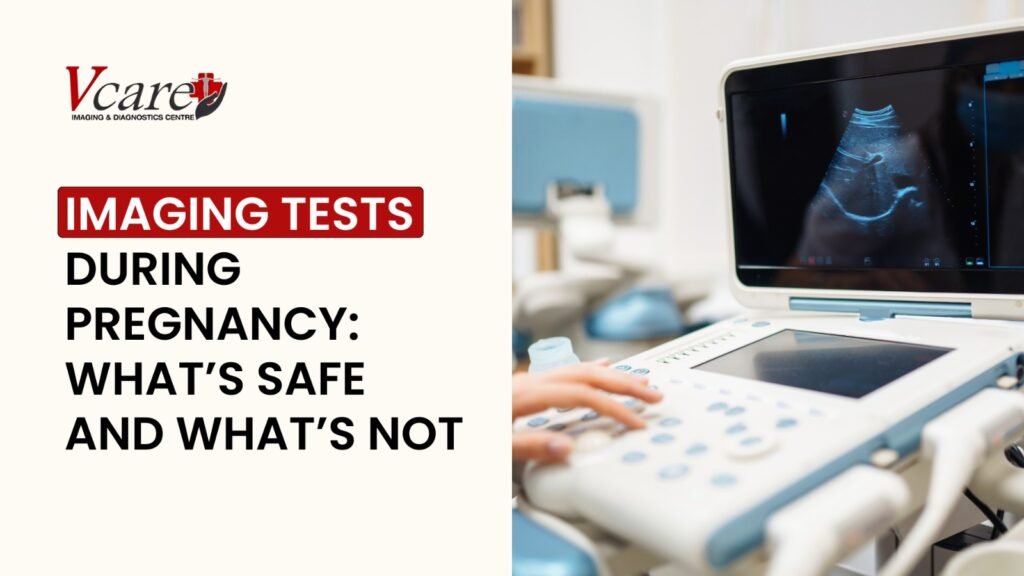
Introduction Motherhood is a precious journey filled with both excitement and concerns. Pregnancy is a transformative experience that brings significant changes to a woman’s body, making maternal and fetal health a top priority. Imaging tests play a crucial role in monitoring fetal development and detecting potential complications. However, expecting mothers and their families often worry about the safety of these tests. Understanding the risks, benefits, and precautions of imaging techniques such as ultrasounds, MRIs, X-rays, and CT scans at a CT scan centre in Kandivali can help make informed healthcare decisions. Why Should One Do Imaging Tests During Pregnancy? Monitoring Fetal Development Imaging tests track the baby’s growth and development throughout pregnancy. Routine ultrasounds, including 3D and 4D sonography in Kandivali, allow healthcare providers to assess the baby’s size, movements, and overall health. These tests also help detect congenital anomalies early, ensuring timely medical intervention. Checking Fetal Position As pregnancy progresses, determining the baby’s position becomes crucial, especially before delivery. Ultrasounds help identify whether the baby is in a breech or transverse position, allowing doctors to plan necessary medical or manual interventions for a safe delivery. Assessing the Placenta and Amniotic Fluid The placenta and amniotic fluid are essential for fetal development. Imaging tests help evaluate placental function and detect conditions like placenta previa or placental insufficiency. Doctors also assess amniotic fluid levels to prevent complications such as oligohydramnios (low fluid) or polyhydramnios (excess fluid). Diagnosing High-Risk Pregnancy Complications Women with high-risk pregnancies, including those with gestational diabetes, preeclampsia, or multiple pregnancies, require frequent imaging tests. Advanced imaging techniques help diagnose maternal and fetal conditions without exposing the baby to unnecessary risks. Diagnosing Maternal Health Issues Imaging tests may be needed to assess maternal health conditions that could impact pregnancy. For example, they help diagnose kidney stones, appendicitis, or other complications requiring medical attention. Guiding Procedures Some imaging techniques assist doctors in performing procedures such as amniocentesis or chorionic villus sampling (CVS). These tests help diagnose genetic disorders and other fetal abnormalities, ensuring appropriate medical guidance for expecting parents. Precautions Before Undergoing Imaging Tests During Pregnancy When undergoing imaging tests during pregnancy, safety is a priority. Always inform your doctor and radiologist about your pregnancy before any scan. Here are essential precautions to follow: Safe Imaging Tests Ultrasound (2D, 3D, 4D) Ultrasound is considered completely safe during pregnancy because it relies on high-frequency sound waves rather than ionizing radiation. 3D and 4D sonography in Kandivali is widely used to assess fetal growth, organ development, and overall well-being without posing any known risks. MRI (Magnetic Resonance Imaging) MRI is also considered safe for pregnant women as it does not involve ionizing radiation. It provides detailed imaging of fetal structures and is often recommended when more precise imaging is needed. For those seeking advanced imaging, visiting an MRI centre in Kandivali ensures access to high-quality diagnostics with expert radiologists. Use with Caution X-rays X-rays should generally be avoided during pregnancy unless absolutely necessary. However, if needed for diagnosing fractures or dental issues, visiting an X-ray centre in Kandivali that follows strict safety protocols ensures minimal fetal radiation exposure. CT Scans CT scans use ionizing radiation and should only be performed if essential for diagnosing maternal health concerns. If required, selecting a trusted CT scan centre in Kandivali ensures that the procedure is performed with the lowest radiation dose and highest safety standards. Avoid Common Imaging Tests During Pregnancy Conclusion Pregnancy is a special time, and ensuring the safety of both mother and baby is essential. While some imaging tests raise concerns, advancements in medical technology have made most procedures safe when conducted under expert guidance. At V Care Diagnostics, we prioritize the well-being of expecting mothers by offering state-of-the-art imaging services, including 3D and 4D sonography in Kandivali, MRI, X-rays, and CT scans. Our experienced radiologists and advanced technology ensure accurate diagnoses while adhering to the highest safety standards. Book your imaging test today at our CT scan centre in Kandivali and ensure a safe and informed pregnancy experience.

Imaging Tests During Pregnancy: What’s Safe and What’s Not Read More »

Best Imaging and Diagnostic Center in Kandivali Mumbai

Why You Might Need a Pelvic Ultrasound and What It Can Reveal?

Introdcution Ever wondered what’s going on inside your body but wished there was a way to peek without all the poking and prodding? A pelvic ultrasound is your window into the unseen! This non-invasive imaging procedure uses sound waves to create detailed pictures of your internal organs—no needles, no radiation, just sound waves doing their magic. What Is a Pelvic Ultrasound? A pelvic ultrasound is a diagnostic imaging test that provides clear, real-time visuals of the organs within the pelvic region. These include the uterus, ovaries, fallopian tubes, bladder, and prostate in men. It is used to diagnose and monitor conditions such as: By offering a non-invasive and painless way to assess these conditions, pelvic ultrasounds have become an essential tool in preventive healthcare. Why Is a Pelvic Ultrasound Important? A pelvic ultrasound plays a crucial role in diagnosing and monitoring various health conditions affecting the reproductive organs, bladder, and other structures in the pelvic region. This imaging technique helps detect abnormalities, guide treatment plans, and ensure overall reproductive and pelvic health. Whether you are dealing with irregular periods, pelvic pain, or fertility concerns, a pelvic ultrasound provides vital insights into your health, enabling timely medical intervention. Why Is a Pelvic Ultrasound Performed? A pelvic ultrasound is typically performed at diagnostic centres, hospitals, or specialised imaging facilities. Some healthcare providers also have ultrasound equipment in their clinics for convenient in-office scans. If you’re searching for a sonography centre in Kandivali, choose a facility with skilled radiologists and advanced technology for precise results. A pelvic ultrasound is performed for various reasons, including: Risks and Limitations of Pelvic Ultrasound A pelvic ultrasound is a safe and non-invasive procedure with minimal risks. However, here are a couple of considerations: Types of Pelvic Ultrasounds Pelvic ultrasounds serve various diagnostic purposes, depending on the specific health concern. The main types include: What a Pelvic Ultrasound Can Reveal A pelvic ultrasound can reveal various health conditions by providing detailed images of the pelvic organs. It helps detect structural abnormalities by assessing the size and shape of the uterus and ovaries. The scan can identify the presence of cysts or fibroids, which may affect menstrual cycles and fertility. It also evaluates endometrial thickness, aiding in the diagnosis of menstrual irregularities and fertility concerns. Additionally, a pelvic ultrasound can detect fluid collections that may indicate infections, internal bleeding, or other complications. It plays a crucial role in identifying ectopic pregnancies, where the embryo implants outside the uterus, as well as diagnosing ovarian torsion, a condition where the ovary twists and requires urgent treatment. In some cases, the ultrasound may highlight suspicious masses that require further testing to rule out cancer. When Do You Need a Pelvic Ultrasound? Your healthcare provider may recommend a pelvic ultrasound if you experience: If you require a sonography centre in Kandivali, make sure to visit a reliable diagnostic facility for accurate and timely scans. How Does a Pelvic Ultrasound Work? A pelvic ultrasound uses a device called a transducer, which transmits sound waves that bounce off organs and tissues. A computer then converts these echoes into real-time images, allowing doctors to observe movements within the pelvic organs and diagnose conditions accurately without invasive procedures. How to Prepare for a Pelvic Ultrasound? Proper preparation for a pelvic ultrasound ensures accurate imaging and reliable diagnostic results. The preparation process varies depending on the type of ultrasound being performed. Transabdominal Ultrasound A transabdominal ultrasound is performed by placing a probe over the lower abdomen. To obtain clear images, a full bladder is necessary, as it helps lift the uterus and ovaries into a better position for imaging. Preparation Steps: Transvaginal Ultrasound A transvaginal ultrasound involves inserting a small probe into the vagina to obtain high-resolution images of the uterus, ovaries, and cervix. Unlike a transabdominal ultrasound, this procedure does not require a full bladder. Preparation Steps: Rectal Ultrasound A rectal ultrasound is used to examine the rectum, prostate (in men), and surrounding tissues. It is commonly performed to assess tumors, prostate conditions, or abnormalities in the lower pelvic region. Preparation Steps: General Preparation Tips What Happens After a Pelvic Ultrasound? After a pelvic ultrasound, the images captured during the scan are analyzed by a radiologist, a medical expert trained in interpreting diagnostic imaging. The radiologist carefully examines the images to identify any abnormalities, such as cysts, fibroids, fluid collections, or structural irregularities in the pelvic organs. Once the evaluation is complete, a detailed report is prepared and sent to your doctor, who will discuss the results with you. Depending on the findings, your doctor may recommend further tests, such as an MRI, CT scan, or a biopsy if any suspicious masses or growths are detected. If no abnormalities are found, your doctor may simply reassure you and suggest routine monitoring if necessary. In cases where a condition is identified, treatment options may be discussed, which could include medication, lifestyle changes, or surgical interventions depending on the severity of the issue. If the ultrasound was conducted to monitor an ongoing condition or treatment progress, your doctor may schedule follow-up scans to track any changes over time. Regardless of the outcome, a pelvic ultrasound plays a crucial role in diagnosing and managing various health concerns, enabling timely medical intervention and better health outcomes. Conclusion A pelvic ultrasound is a vital diagnostic tool for detecting and managing various reproductive and pelvic health conditions. If you need a reliable sonography centre in Kandivali, choose a trusted facility like Vcare Imaging & Diagnostics. Prioritize your health and consult your doctor if you notice any concerning symptoms—early detection can make all the difference!

Why You Might Need a Pelvic Ultrasound and What It Can Reveal? Read More »

Best Imaging and Diagnostic Center in Kandivali Mumbai

Top 5 Diagnostic Tests Everyone Should Consider Annually

The adage ‘prevention is better than cure’ is still relevant in today’s world, as the way people are surviving amidst unhealthy conditions in their daily lives leads to major diseases that should not be neglected. It’s difficult to stay safe and healthy when eating this kind of food, and overall, since everyone is rushing against time, from young adults to the elderly, it’s getting harder and harder to stay healthy. The prevalence of chronic health disorders is rising across all age groups for a variety of reasons, including stress, poor food quality, sedentary lifestyles, and exposure to environmental issues. Since the world is changing so quickly, our bodies are also changing, often in ways that don’t show up on the outside but nonetheless have a big impact on our health. For this reason, routine medical examinations, such as Mammography, MRI scans, CT scans, and Sonography, are not just recommended but essential for everyone, regardless of age. Through this blog, we’ll delve into the importance of these tests and how they can help you stay on top of your health, ensuring you can live life to the fullest. The Importance of Annual Health Check-Ups Annual health check-ups are a crucial part of preventive healthcare. They provide a comprehensive overview of your health status, enabling early detection of potential issues that might otherwise go unnoticed. These check-ups are your opportunity to address health concerns before they become serious, thereby reducing the risk of developing chronic diseases. Whether you’re in your 20s or your 60s, making time for a yearly health check-up can be a life-saving decision. Complete Blood Count (CBC) – A Snapshot of Your Overall Health One of the most fundamental tests that should be part of your annual health check-up is the Complete Blood Count (CBC). This test provides an in-depth analysis of your blood by measuring various components such as red blood cells, white blood cells, haemoglobin, hematocrit, and platelets. Each of these components plays a critical role in your overall health. Red blood cells carry oxygen from your lungs to the rest of your body, and white blood cells are essential for fighting off infections. Haemoglobin, a protein in red blood cells, is responsible for transporting oxygen, while hematocrit measures the proportion of red blood cells in your blood. Platelets are crucial for blood clotting, helping your body to stop bleeding. An abnormality in any of these components can indicate various health issues, ranging from anaemia to infections, to more severe conditions like leukaemia. By getting a CBC done annually, you can catch these problems early, allowing for prompt treatment and a better prognosis. Advances in Mammography: Exploring Modern Techniques and Safety Incorporating essential diagnostic tests into your annual health routine is crucial. For women, mammography is particularly important as it aids in the early detection of breast cancer, a disease that can be silent but deadly if not caught in time. Mammography is a specialised medical imaging technique that uses a low-dose X-ray system to see inside the breasts. This X-ray exam helps doctors diagnose and treat medical conditions by exposing you to a small amount of ionising radiation to produce images of the inside of the body. There have been three significant advances in mammography: digital mammography, computer-aided detection (CAD), and breast tomosynthesis. Digital mammography is a system where the traditional X-ray film is replaced by electronics that convert X-rays into mammographic images of the breast. Computer-aided detection (CAD) systems analyse digitised mammographic images, searching for abnormal areas of density, mass, or calcification that may indicate the presence of cancer. CAD serves as an additional tool for radiologists, improving the accuracy of cancer detection. Breast tomosynthesis, also known as three-dimensional (3D) mammography or digital breast tomosynthesis (DBT), is an advanced form of breast imaging. It captures multiple images of the breast from different angles and reconstructs them into a three-dimensional image set. This technique is similar to computed tomography (CT) imaging, where a series of thin “slices” are assembled together to create a 3D reconstruction of the body. MRI Scans, CT Scans, and Sonography: Unveiling Hidden Health Issues Similarly, MRI scans and CT scans are invaluable tools for identifying internal issues such as tumours, internal bleeding, or brain abnormalities that may not present symptoms immediately. Sonography, or ultrasound, is another critical test, particularly for pregnant women, as it helps monitor the health and development of the foetus. Even for those not expecting, Sonography can detect problems in organs like the liver, kidneys, and heart, ensuring that any abnormalities are treated early. These tests, when done annually, can provide a detailed insight into your health, giving you the chance to make informed decisions about your lifestyle and medical care. Lipid Profile – Keeping Your Heart Healthy Heart disease remains one of the leading causes of death worldwide, making it crucial to monitor your heart health regularly. A Lipid Profile is an essential test that measures the levels of different types of cholesterol and triglycerides in your blood. Cholesterol, while necessary for building healthy cells, can be harmful when levels are too high. The test includes measurements of Total Cholesterol, Low-Density Lipoprotein (LDL) often referred to as ‘bad’ cholesterol, High-Density Lipoprotein (HDL) or ‘good’ cholesterol, and Triglycerides, which are a type of fat found in your blood. High levels of LDL and Triglycerides can lead to plaque buildup in your arteries, narrowing them and making it harder for blood to flow through. This can increase the risk of heart attack, stroke, and other cardiovascular diseases. On the other hand, HDL helps remove LDL from your bloodstream, reducing your risk of heart problems. By checking your lipid profile annually, you can work with your doctor to manage your cholesterol levels through lifestyle changes or medication, thereby protecting your heart health. Blood Pressure Monitoring – The Silent Killer High blood pressure, also known as hypertension, is often called the ‘silent killer’ because it usually has no symptoms until significant damage has been done to your heart and arteries. When

Top 5 Diagnostic Tests Everyone Should Consider Annually Read More »

Best Imaging and Diagnostic Center in Kandivali Mumbai

Comprehensive Health Check-Ups at Vcare Diagnostic Centre: Your Trusted Diagnostics Lab in Kandivali

In today’s fast-paced world, many people experience health issues at an early age, which can lead to complications later in life if not addressed in time. Unfortunately, prioritizing health often takes a backseat. However, making your health a priority and getting early check-ups is essential for living a healthy life. Taking time for comprehensive health check-ups can significantly improve your overall well-being. At Vcare Diagnostic Centre, we understand that preventive care is key to maintaining a healthy lifestyle. Our dedicated team in Kandivali is committed to providing accurate diagnostics and tailored health check-up packages, ensuring you can take proactive steps toward a healthier future. We always look forward to supporting your well-being and offer forward-thinking solutions to address all your health concerns. Why are regular health check-ups essential for a healthy life? Regular health check-ups play a vital role in early detection and management of potential health issues. As the saying goes, “prevention is better than cure.” Engaging in routine health assessments allows for timely interventions that can prevent minor health issues from escalating into serious conditions. Moreover, a full body check-up provides a comprehensive overview of your health status, enabling healthcare professionals to identify risk factors, monitor existing conditions, and tailor specific recommendations for your lifestyle. The benefits of regular health assessments extend beyond physical health; they also encompass mental and emotional well-being. Knowing that you are taking proactive steps to care for your health can reduce anxiety and stress, leading to improved mental health. Furthermore, establishing a relationship with healthcare providers fosters trust and open communication, essential for addressing any concerns you may have regarding your health. The Importance of Preventive Health Screenings: What You Need to Know Preventive health screenings are fundamental components of routine health check-ups. These screenings are designed to detect diseases early, often before symptoms appear, making them an essential aspect of any health maintenance strategy. Understanding the significance of these screenings can empower individuals to take control of their health and well-being. Many health issues, such as hypertension, diabetes, and certain cancers, can be asymptomatic in their early stages. Regular screenings allow for early diagnosis and treatment, improving the likelihood of successful management and recovery. For instance, blood tests during a full body check-up can reveal elevated cholesterol levels or glucose levels, enabling timely lifestyle changes or medical interventions. Moreover, preventive health screenings can lead to significant cost savings in the long run. By catching health issues early, individuals can avoid more extensive treatments that may arise from untreated conditions. At Vcare Diagnostic Centre, we offer an array of screenings that cater to various age groups and health profiles, ensuring that every individual receives the care they need. Comprehensive Health Check-Up Packages at Vcare Diagnostic Centre At Vcare Diagnostic Centre in Kandivali, we recognize that one size does not fit all when it comes to health check-ups. That’s why we offer affordable health check-up packages tailored to meet the diverse needs of our community. Our packages encompass a wide range of tests and screenings, ensuring a comprehensive evaluation of your health. Our full body check-up packages are thoroughly designed to include essential blood tests, imaging studies, and consultations that provide a holistic view of your health. For example, a typical package may include complete blood count (CBC), liver function tests, kidney function tests, and lipid profiles, among others. This extensive approach ensures that we assess all vital areas of your health, enabling early detection of potential issues. Furthermore, our packages are structured to be financially accessible, promoting health awareness and encouraging routine health check-ups among individuals and families. We believe that everyone deserves the opportunity to prioritize their health without the burden of exorbitant costs. Our commitment to affordability makes us the best diagnostic center in Kandivali for individuals seeking comprehensive health evaluations. In addition to affordability, we pride ourselves on our state-of-the-art facilities and experienced healthcare professionals. Our team is equipped with advanced diagnostic tools and technologies, ensuring accurate and reliable results. We understand that undergoing health assessments can be daunting, which is why we strive to create a comfortable and supportive environment for our patients. At Vcare Diagnostic Centre, we go beyond just diagnostics; we aim to educate our patients about their health. During your visit, our healthcare professionals will take the time to explain the significance of each test, what the results mean, and how you can improve your health outcomes. We believe that informed patients are empowered patients, and our team is dedicated to providing the guidance you need. Conclusion In conclusion, prioritizing regular routine health check-ups is essential for a healthy and fulfilling life. At Vcare Diagnostic Centre, we stand as your trusted partner in health, offering comprehensive health check-up packages that cater to your unique needs. Our commitment to affordability, combined with our state-of-the-art facilities and dedicated healthcare professionals, positions us as the best diagnostic center in Kandivali. By choosing Vcare for your health check-up needs, you are taking proactive steps toward better health management and overall well-being. Don’t wait for symptoms to arise; invest in your health today with our comprehensive health assessments. Your journey towards a healthier life begins here at Vcare Diagnostic Centre—where your health is our priority.

Comprehensive Health Check-Ups at Vcare Diagnostic Centre: Your Trusted Diagnostics Lab in Kandivali Read More »

Scroll to Top