
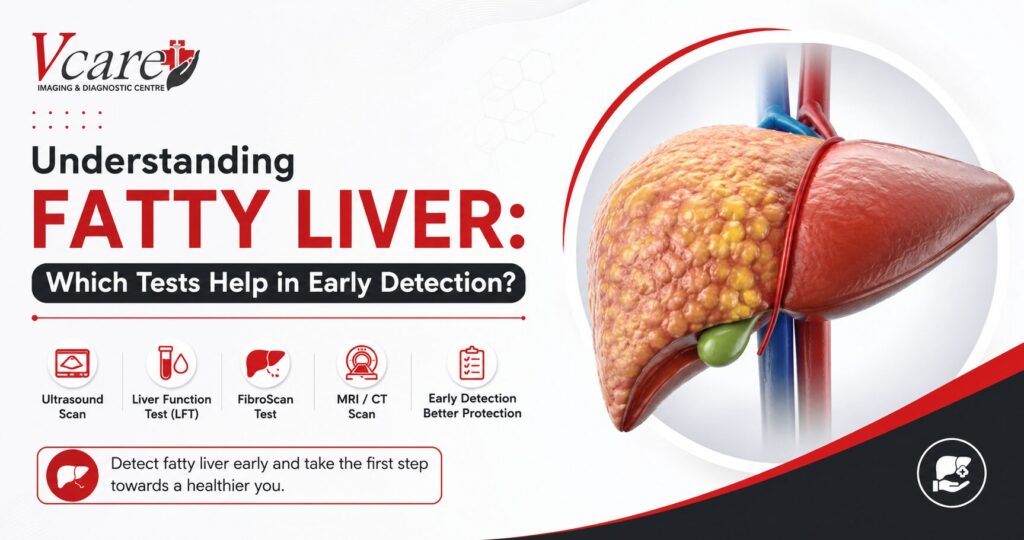
Understanding Fatty Liver: Which Tests Help in Early Detection?
Fatty liver disease has become one of the most common lifestyle-related health conditions worldwide. It often develops silently, with little or no noticeable symptoms during its early stages. Because of this, many people remain unaware of the condition until it progresses into more serious liver damage.
An accurate fatty liver diagnosis plays a vital role in detecting the condition early, allowing timely treatment and lifestyle modifications that can help prevent complications such as liver fibrosis, cirrhosis, and even liver failure.
This guide explains everything you need to know about fatty liver diagnosis, including symptoms, causes, diagnostic tests, and when you should consider getting screened.
What Is Fatty Liver Disease?
Fatty liver disease occurs when excess fat accumulates inside the liver cells. While a small amount of fat is normal, excessive fat can affect liver function and increase the risk of inflammation and long-term liver damage.
There are two primary types of fatty liver disease:
- Non-Alcoholic Fatty Liver Disease (NAFLD)
- Alcohol-Related Fatty Liver Disease (AFLD)
Among these, NAFLD is becoming increasingly common due to unhealthy eating habits, obesity, diabetes, and sedentary lifestyles.
Common Symptoms of Fatty Liver
In many cases, fatty liver disease does not cause noticeable symptoms. However, as the condition progresses, patients may experience:
- Persistent fatigue
- Pain or discomfort in the upper right abdomen
- Unexplained weight gain
- Weakness
- Loss of appetite
- Mild swelling in the abdomen
- Elevated liver enzyme levels
Since these symptoms are often mild or absent, fatty liver diagnosis through regular health screenings becomes essential.
Who Is at Risk?
Certain individuals have a higher risk of developing fatty liver disease.
You may be at higher risk if you have:
- Obesity
- Type 2 diabetes
- High cholesterol
- High triglycerides
- High blood pressure
- PCOS
- Sedentary lifestyle
- Family history of liver disease
- Excessive alcohol consumption
Routine fatty liver diagnosis is recommended for individuals with these risk factors.
Which Tests Help in Fatty Liver Diagnosis?
Several diagnostic tests help doctors evaluate liver health and determine the severity of fatty liver disease.
1. Liver Function Test (LFT)
A Liver Function Test measures enzymes and proteins in your blood that indicate how well your liver is functioning.
Although an LFT cannot confirm fatty liver by itself, abnormal liver enzyme levels often prompt further investigations.
2. Ultrasound Scan
Ultrasound is one of the most commonly recommended imaging tests for fatty liver diagnosis.
It is:
- Safe
- Painless
- Non-invasive
- Affordable
- Highly effective in detecting moderate to severe fatty liver
An abdominal ultrasound can identify fat deposits inside the liver before symptoms become severe.
3. FibroScan (Liver Elastography)
FibroScan is an advanced, non-invasive test that measures liver stiffness and fat content.
Doctors recommend FibroScan to:
- Detect liver fibrosis
- Assess liver damage
- Monitor disease progression
- Evaluate treatment effectiveness
4. CT Scan
A CT scan provides detailed cross-sectional images of the liver and surrounding organs.
While not always the first choice for fatty liver diagnosis, it can help detect liver abnormalities when additional imaging is required.
5. MRI Scan
MRI offers highly detailed liver imaging and is particularly useful for accurately measuring liver fat content.
It is often recommended in complex cases or when precise evaluation is needed.
6. Blood Tests
Doctors may also recommend additional blood investigations, including:
- Lipid Profile
- Blood Sugar (HbA1c)
- Complete Blood Count
- Kidney Function Test
- Viral Hepatitis Screening
These tests help identify underlying conditions contributing to fatty liver disease.
Why Early Fatty Liver Diagnosis Matters
Early detection significantly improves treatment outcomes.
Benefits include:
- Preventing liver fibrosis
- Reducing the risk of cirrhosis
- Lowering the chance of liver failure
- Improving liver function
- Reversing early-stage fatty liver through lifestyle changes
- Better long-term health outcomes
The earlier the fatty liver diagnosis, the easier it is to manage the condition.
Can Fatty Liver Be Reversed?
Yes. In many cases, early-stage fatty liver disease is reversible.
Doctors usually recommend:
- Maintaining a healthy weight
- Exercising regularly
- Eating a balanced diet
- Reducing sugar intake
- Avoiding excessive alcohol
- Managing diabetes and cholesterol
- Scheduling regular health checkups
Regular follow-up testing helps monitor liver health and treatment progress.
When Should You Get Screened?
You should consider a fatty liver diagnosis if you:
- Are above 35 years of age
- Have diabetes
- Are overweight or obese
- Have high cholesterol
- Experience persistent fatigue
- Have abnormal liver enzyme reports
- Have a family history of liver disease
Routine health screenings can detect fatty liver before serious complications develop.
Why Choose VCare Imaging & Diagnostic Centre?
At VCare Imaging & Diagnostic Centre, we provide advanced diagnostic services to support accurate fatty liver diagnosis.
Our services include:
- High-resolution Ultrasound
- Advanced MRI
- CT Scan
- Liver Function Tests
- Comprehensive Health Checkups
- Experienced Radiologists
- Modern Diagnostic Technology
- Patient-Centric Care
Our goal is to help patients detect liver conditions early for timely treatment and improved health outcomes.
Conclusion
Fatty liver disease often develops silently, making regular health screenings essential for early detection. An accurate fatty liver diagnosis using imaging tests and blood investigations allows doctors to identify the condition before permanent liver damage occurs.
If you have risk factors such as obesity, diabetes, or high cholesterol, don’t wait for symptoms to appear. Early diagnosis and timely lifestyle changes can protect your liver and improve your overall well-being.
Schedule your liver screening today and take the first step toward better liver health.
Frequently Asked Questions (FAQs)
Is fatty liver disease serious?
Yes. If left untreated, fatty liver disease can progress to liver fibrosis, cirrhosis, and liver failure.
Which is the best test for fatty liver diagnosis?
An abdominal ultrasound is commonly the first imaging test, while FibroScan, MRI, and blood tests may be recommended depending on the patient’s condition.
Can a blood test detect fatty liver?
Blood tests can indicate liver abnormalities, but imaging tests are usually needed to confirm a fatty liver diagnosis.
Can fatty liver be cured?
Early-stage fatty liver disease can often be reversed with healthy lifestyle changes, proper diet, regular exercise, and medical guidance.
How often should I get tested?
Individuals with diabetes, obesity, high cholesterol, or other risk factors should undergo regular liver health screenings as advised by their healthcare provider.
